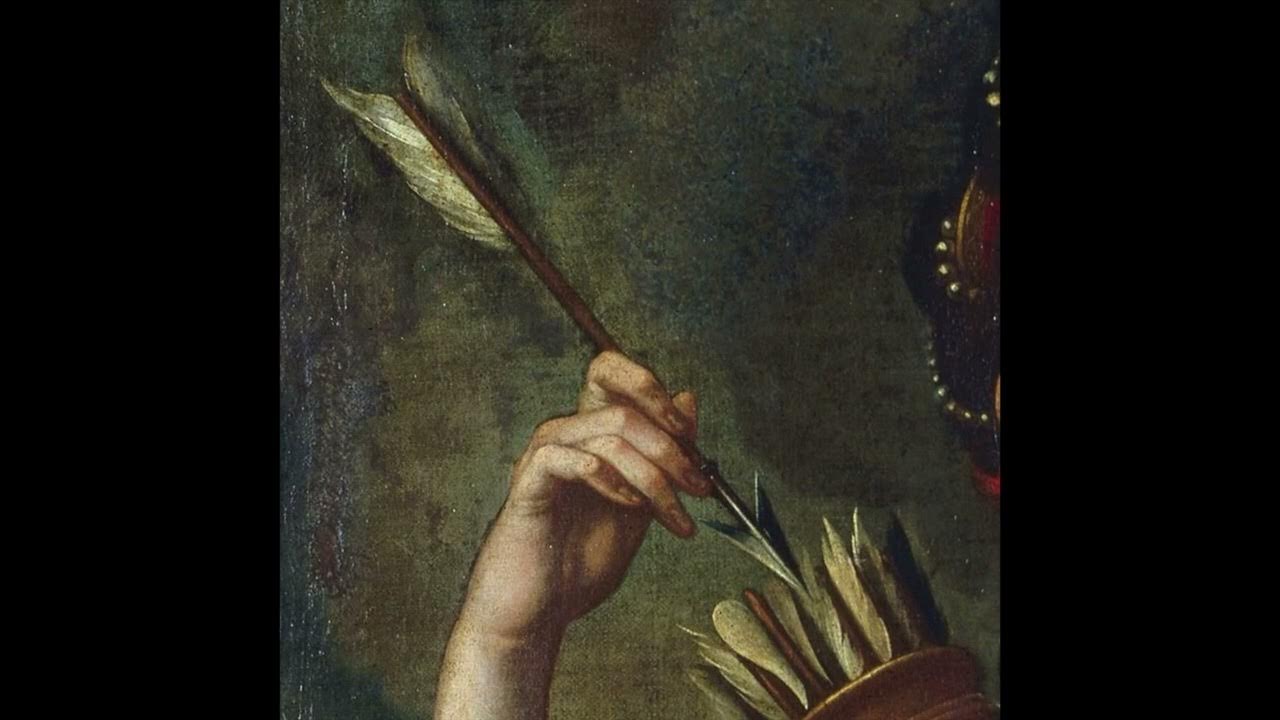
Annabelle Dinda's 'The Hand': Decoding Its Deep Lyrical Meaning
Annabelle Dinda's "The Hand" is more than just a song; it's a meticulously crafted lyrical puzzle, inviting listeners to delve into layers of meaning, critique, and self-reflection. Far from a straightforward narrative, Dinda employs a rich tapestry of symbolism and contrasting perspectives to explore themes of creation, ego, gender, and divine connection. At its core, the song grapples with the act of storytelling itself, scrutinizing who holds the pen, and what truths — or facades — are projected onto the world through their creative output. The titular motif,
The Hand, emerges as a powerful, multifaceted symbol, representing everything from physical action to artistic control and even divine influence. Through evocative imagery and sharp meta-commentary, Dinda challenges traditional narratives, asking us to reconsider the voices that shape our understanding of existence.
The Creator's Grasp: Deconstructing the Male Narrative
Dinda opens "The Hand" with a pointed observation on the perceived grandeur of male artists. She paints a picture of the archetypal male creator: "Every time a guy writes a song, he's a cowboy, a sailor / Playing with the world in his palm like the first pioneer." Here,
the hand becomes a symbol of dominion, effortlessly shaping narratives and claiming new intellectual territories. The imagery conjures a sense of untamed ambition and a self-assured grip on the reins of creation, as if the world itself is a malleable toy in their grasp. This creator's output is likened to a "loud movie trailer / Clipping every image and sound he thinks proves he was here," suggesting a performative, ego-driven drive for legacy and validation.
The lyrics subtly critique this established paradigm, highlighting the confidence, perhaps even entitlement, with which male artists present their work. They are "holding out the world in his palm like he made it himself," implying a god-like complex where their vision is absolute and undeniable. This section brilliantly sets the stage for Dinda's own voice, which offers a stark counterpoint to this powerful, almost omniscient male perspective. It's a commentary not just on individual artists, but on the cultural landscape that often amplifies certain voices while sidelining others. To explore this dynamic further, consider reading our analysis on
Annabelle Dinda's 'The Hand': Male Creator vs. Female Voice.
A Tapestry of Symbols: Unpacking the Lyrical Canvas
Beyond the initial critique, "The Hand" unfolds into a dense poetic landscape, brimming with rapid-fire, often juxtaposed, imagery. Dinda presents a litany of concrete and abstract concepts that resonate with the human experience: "A hand, a spike, a physical fight, a flash of light, a curtain / A toll, a tithe, the passage of time." Here,
the hand reappears, linked to violence, creativity, and the everyday transactions of life. It’s the hand that strikes, the hand that pays, the hand that grasps for meaning. The inclusion of "a girl, a night, a typical type, a siren in the water" introduces themes of femininity, allure, and perhaps danger or entrapment.
The song continues to weave these disparate threads together: "The hand, the pen, the writing again the wind around the willow / The felt, the ice, the passage of time, the melting down the window." This succession of images evokes a sense of fluid movement, change, and the relentless march of time. The "pen" is a direct extension of
the hand, solidifying its role in creation and documentation. The natural elements ("wind around the willow," "melting down the window") blend with human actions, creating a timeless, almost mythological atmosphere. These symbols are not meant to be easily deciphered but rather to evoke feelings and associations, painting a kaleidoscopic picture of existence, struggle, and fleeting moments.
The Female Voice: Subversion and Self-Reflection in The Hand
One of the most compelling aspects of "The Hand" is Dinda's shift to her own voice, which provides a stark contrast to the male creative ego she initially describes. Where the male artist is a loud movie trailer, Dinda states: "Every time I open my mouth, I think, 'Wow, what a loud noise' / Still on the soapbox, just hoping I seem underwhelmed." This can be interpreted in multiple ways: genuine self-doubt, a sarcastic jab at how women's voices are often perceived as "too much," or an attempt to subtly undermine the very performativity she critiques. It's a masterful display of irony and self-awareness.
Dinda further complicates her artistic intent in the song's meta-commentary: "This isn't rage, it's worth a mention / This is a fake internal tension / Sometimes, I spread out one opinion / And stand on its back to gauge attention." Here, she openly discusses the construction of the song itself, questioning its authenticity and even admitting to using her art to "gauge attention." This radical honesty, denying outright "rage" but acknowledging a "fake internal tension," adds layers of complexity. She declares, "I like to hate symbolic limits," which is deeply ironic given the song is rich with potent symbolism, highlighting her struggle with both embodying and breaking free from convention. The line "This is no statement, I'm complicit / This is a dream, God put me in it" further blurs the lines between artistic intent, personal responsibility, and divine inspiration, suggesting that her creative impulse might be beyond her full comprehension or control.
The final lines bring back the earlier symbolic imagery, culminating in a profound question that ties directly into the themes of creation and divine influence: "The strike, the pause, the message from God, does that make me His daughter?" This poignant query, following the earlier mention of "a son, a Holy Father," directly challenges the patriarchal lineage often associated with divine creation and artistic authority. It asks if a female creator, receiving messages from God, can claim the same divine connection and legitimacy as her male counterparts. This pivotal moment underscores the song's exploration of gender, power, and spiritual belonging. For a deeper dive into these complex spiritual and human intersections, explore
The Hand of God & Man: Annabelle Dinda's Lyrical Tension.
Practical Tips for Deep Lyrical Analysis
Understanding a song as intricate as Annabelle Dinda's "The Hand" requires more than just passive listening. Here are some actionable tips to unlock deeper meanings in any lyrical masterpiece:
*
Active Listening & Multiple Passes: Don't expect to grasp everything on the first listen. Pay attention to word choice, repetition, and shifts in tone across several listens.
*
Identify Key Motifs and Symbols: Like
The Hand in Dinda's song, recurring images or concepts are often central to the meaning. Note them down and explore their various connotations.
*
Research Context: While Dinda's lyrics stand on their own, knowing a bit about the artist or the social context in which the song was written can offer valuable insights.
*
Consider Juxtaposition and Contrast: Artists often place opposing ideas or images next to each other to create tension or highlight a point. What ideas are being contrasted?
*
Explore Ambiguity: Some lyrics are intentionally open to interpretation. Embrace this ambiguity rather than forcing a single meaning. What different meanings could a phrase hold?
*
Pay Attention to Structure and Shifts: How does the song evolve from verse to chorus to bridge? Do perspectives change, as they do dramatically in "The Hand"?
Conclusion
Annabelle Dinda's "The Hand" is a remarkable piece of lyrical artistry, offering a profound commentary on the nature of creation, the performance of identity, and the search for authentic voice. Through its intricate symbolism, sharp wit, and daring self-reflection, Dinda challenges listeners to look beyond the surface, questioning the narratives we consume and the creators who craft them. The enduring power of "The Hand" lies in its ability to be both deeply personal and universally resonant, prompting us to examine our own roles in shaping and interpreting the world with our own hands, words, and perspectives. It's a song that demands thought, rewards contemplation, and firmly establishes Dinda as a formidable lyrical force.