The Hand of God & Man: Annabelle Dinda's Lyrical Tension
Annabelle Dinda's "The Hand" isn't just a song; it's a profound lyrical excavation into the very act of creation, the power dynamics inherent in artistic expression, and the often-unacknowledged tensions artists navigate. At its core, the track masterfully uses the metaphor of
the hand – a symbol of agency, power, and divine connection – to explore the intricate relationship between human ambition, divine inspiration, and the contrasting experiences of male and female creators. Dinda’s genius lies in her ability to weave a narrative that feels both deeply personal and universally resonant, prompting listeners to question who truly holds the reins of artistic destiny. This article delves into the rich tapestry of Dinda’s lyrics, uncovering the layers of meaning behind the iconic imagery of "The Hand."
The Creator's Grasp: Deconstructing the Male Narrative
Dinda immediately sets a striking scene by observing the archetypal male creator: "Every time a guy writes a song, he's a cowboy, a sailor / Playing with the world in his palm like the first pioneer." This imagery paints a vivid picture of a male artist as a fearless conqueror, a trailblazer who effortlessly commands the narrative, holding "the world in his palm like he made it himself." The hand here symbolizes absolute ownership, an almost god-like dominion over the creative landscape. It speaks to a historical and societal conditioning where male voices are often perceived as authoritative, their pronouncements weighty and their legacies assured. They are seen as carving out their existence, leaving an indelible mark: "Clipping every image and sound he thinks proves he was here." This portrayal isn't necessarily a condemnation but an acute observation of a pervasive cultural narrative, one that frames male creation with inherent grandeur and unchallenged entitlement. The creative act, for this archetype, becomes an extension of self-assertion, a declaration of presence and power. Understanding this foundational perspective is crucial to appreciating the subsequent layers of Dinda's nuanced critique, which we explore further in
Annabelle Dinda's 'The Hand': Decoding Its Deep Lyrical Meaning.
The Female Voice: Navigating the Stage of Self-Expression
In stark contrast to the audacious male pioneer, Dinda presents her own experience of creation with a palpable sense of internal negotiation: "Every time I open my mouth, I think, 'Wow, what a loud noise' / Still on the soapbox, just hoping I seem underwhelmed." This poignant couplet reveals the self-consciousness and often-unspoken pressures faced by female artists. Where the male creator is perceived as naturally commanding, the female voice can be scrutinized, judged as "loud," or require a performance of detachment ("hoping I seem underwhelmed") to be taken seriously. The metaphor of
the hand shifts here from a symbol of unbridled control to one of careful calibration. It's the hand that holds the pen, yes, but also the hand that may be hesitant to fully unleash its power, fearing the repercussions of authentic emotion. Dinda directly references this societal expectation with the line, "God forbid she shows emotion," highlighting the historical dismissal of female artistic expression as "hysterical" or "too emotional." This is a profound statement on the double standards that persist in creative industries, where women are often forced to choose between authenticity and acceptance. To delve deeper into these gender dynamics, read
Annabelle Dinda's 'The Hand': Male Creator vs. Female Voice. It's a testament to Dinda's lyrical prowess that she can articulate this complex internal battle so succinctly, inviting listeners to reflect on their own biases and expectations of creative voices.
The Hand of God: Divine Influence and Human Agency
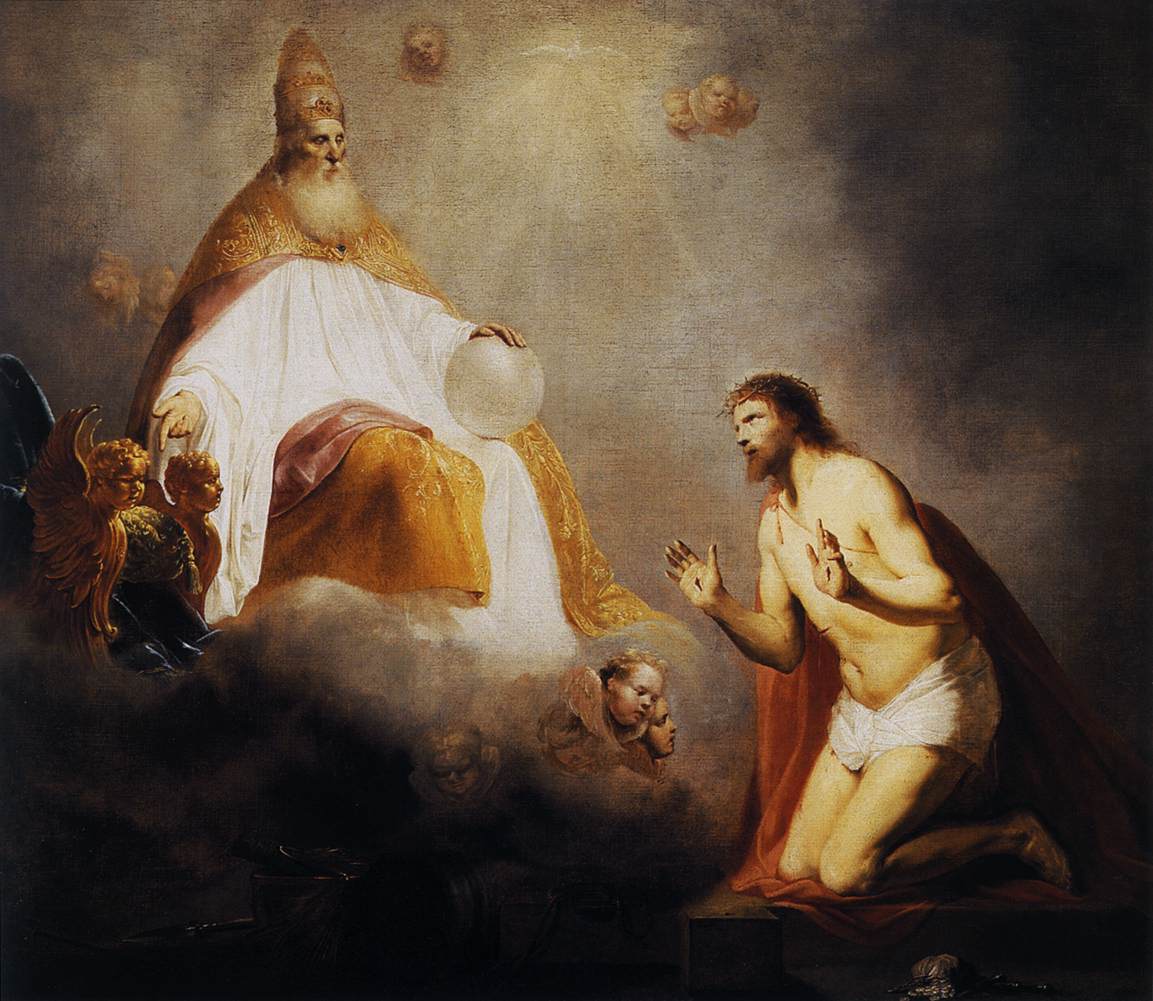
Beyond the human-centric discussions of creative power, "The Hand" also delves into the metaphysical, frequently referencing divine intervention and spiritual connection. The lyrics intersperse earthly struggles with celestial references: "A scroll, a nod, a message from God, a son, a Holy Father." Later, Dinda questions, "The strike, the pause, the message from God, does that make me His daughter?" Here,
the hand takes on a new dimension, becoming the conduit for divine will. It's the hand that delivers the message, shapes destiny, and perhaps even places the artist within their creative dream: "This is a dream, God put me in it." This raises profound questions about artistic inspiration: Is creation purely a human endeavor, or are artists merely vessels for a higher power?
In many spiritual traditions, the hand is symbolic of blessings, guidance, and divine intervention. Dinda masterfully plays with this duality, exploring whether her own creative impulses are entirely her own or part of a grander, divinely orchestrated narrative. The ambiguity of "does that make me His daughter?" is particularly powerful, hinting at both a potential lineage of divine inspiration and a questioning of patriarchal spiritual structures. It suggests that while male creators might embody the "Holy Father" archetype, a female creator might find her place as a "daughter," suggesting a different, perhaps more nuanced, relationship with the divine source of creativity. This interplay between divine agency and human struggle adds a layer of timelessness to "The Hand," inviting listeners to ponder the sources of their own inspirations.
Unpacking the "Fake Internal Tension": Authenticity in Art
Perhaps one of the most intriguing and self-aware aspects of "The Hand" lies in Dinda's declaration: "This isn't rage, it's worth a mention / This is a fake internal tension." And, "This is no statement, I'm complicit / This is a dream, God put me in it." These lines offer a meta-commentary on the very act of writing and public perception. The concept of "fake internal tension" isn't about insincerity but rather a complex maneuvering within the public eye. It speaks to the artist's awareness of how their work might be received, how emotions can be sensationalized, or how profound insights can be simplified into "rage" or "statements."
Dinda's admission of complicity ("I'm complicit") isn't a retraction but an acknowledgment of being part of the system she critiques, navigating its expectations and limitations. She actively states, "I like to hate symbolic limits," which underlines her desire to transcend conventional boundaries while simultaneously recognizing their existence. This reveals a sophisticated understanding of artistic expression as a performance, where the lines between genuine emotion and constructed narrative can blur. The "fake internal tension" becomes a tool, a strategic ambiguity that allows the artist to express strong opinions while maintaining a layer of control over their interpretation. It's an insightful commentary on how artists, particularly those who challenge norms, often walk a tightrope between authentic self-expression and the need to manage public perception. For creators, understanding this tension can be a valuable tool for maintaining their artistic integrity while engaging with their audience.
Conclusion
Annabelle Dinda's "The Hand" is a masterful exploration of creation, power, and identity, wrapped in a deceptively simple lyrical structure. Through the central motif of
the hand, Dinda unpacks the grandiose narrative often attributed to male creators, contrasts it with the self-conscious navigation of female artists, and weaves in the profound questions of divine inspiration and human agency. Her articulation of a "fake internal tension" serves as a poignant commentary on the complexities of authenticity in art, inviting listeners to look beyond surface-level interpretations. "The Hand" is more than just a song; it's an intellectual and emotional journey that challenges perceptions, celebrates nuanced self-awareness, and firmly establishes Annabelle Dinda as a lyrical force to be reckoned with. It's a testament to the enduring power of music to explore the deepest aspects of the human and divine experience.